
From Shelf Economics to Expert Consultation
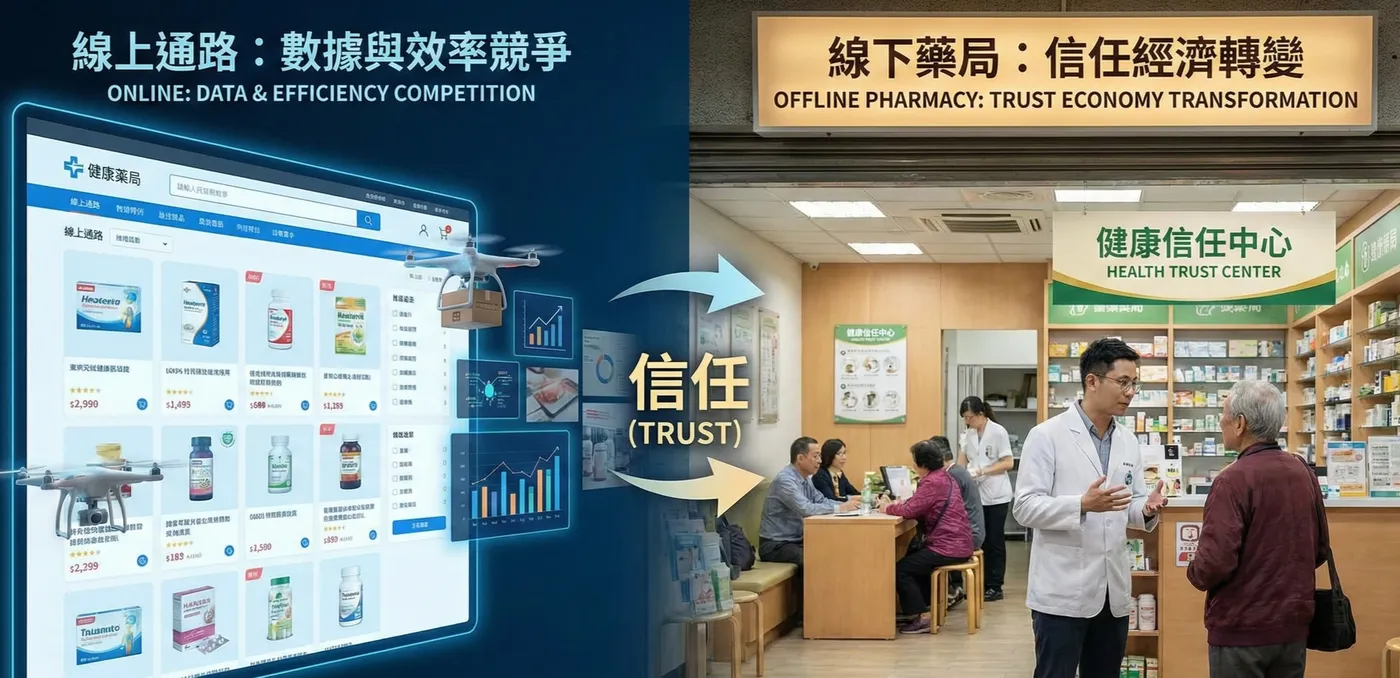
Industry & Market Perspectives T he explosive growth of e-commerce has dealt a serious blow to the pricing mod…
Trend Watch |
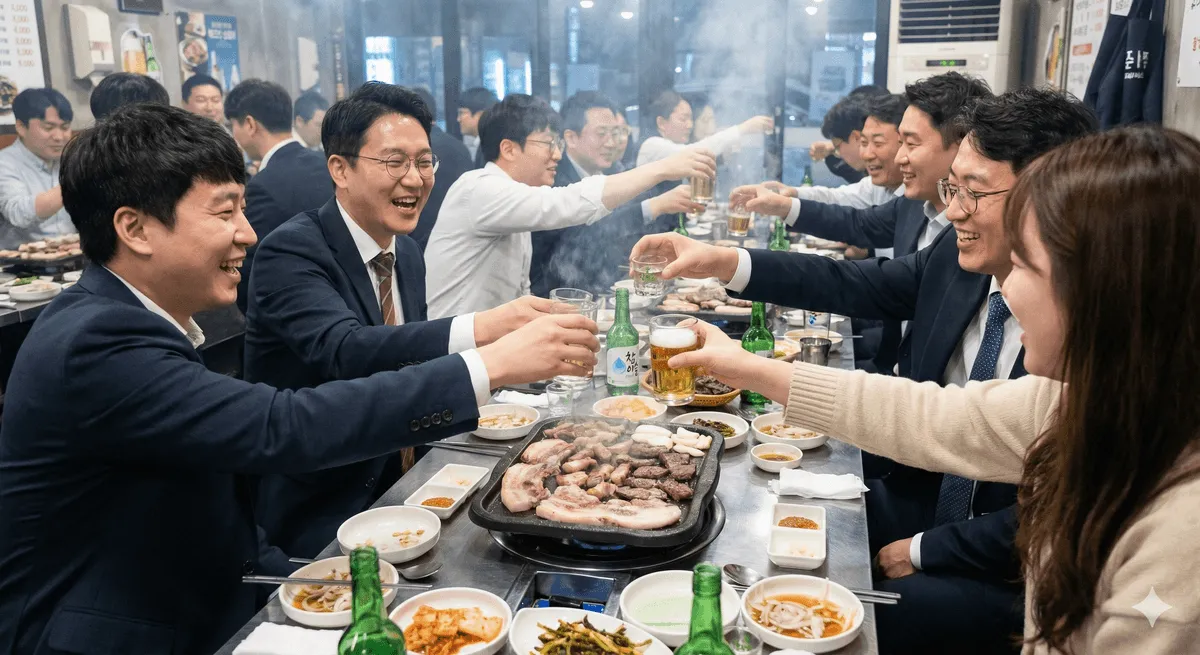
If you've ever traveled to Korea, or you're a K-drama fan, this scene will be familiar:
After a long night of hard business drinking on "somaek" (soju + beer), the main character opens the fridge the next morning and pulls out not a bottle of mineral water, but a bottle of brown liquid. Or you may have seen convenience store shelves (at GS25 or CU) lined with rows of functional drinks in gold and brown packaging.
Those bottles usually carry two big Korean characters: "헛개 (Hut-gae)".
This is the star of our story: Hovenia dulcis, the Japanese raisin tree (Hutgae-namu in Korean). In Korea, it isn't just a medicinal herb; it's an essential for surviving working life.
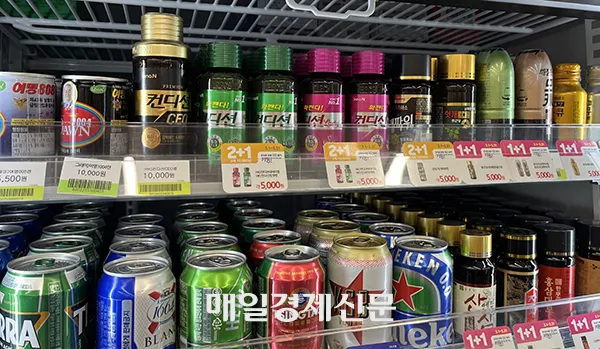
In Taiwan, when we're thirsty we buy green tea or mineral water. In Korea, many men's first choice is Hovenia dulcis tea (hutgae-cha).
Korea's drinking culture is world-famous, and its workplace culture of "hoesik" (company dinners) is especially high-pressure. To show up at the office the next day looking fresh and alert after round after round of drinking (which in Korea is seen as a mark of professionalism and good manners), Koreans turned to traditional herbal medicine for an answer.
According to market research, Korea's market for hangover-relief and liver-care functional drinks is worth hundreds of billions of won, and the ingredient that dominates it is Hovenia dulcis.
Some Korean netizens even joke: "Half the blood in a Korean office worker's veins is soju, and the other half is hutgae tea."
Why do Koreans swear by it? It's more than a folk remedy.
Korea's Ministry of Food and Drug Safety (KFDA) has long recognized Hovenia dulcis fruit stalk extract as having the functional benefits of "helping with alcohol-induced liver damage" and "relieving fatigue."
That's why, in Korean supermarkets, you'll find products advertising added "Hutgae" in everything from instant noodles and drinks to yogurt. It has worked its way into the capillaries of Korean society, becoming a kind of national shield against a high-pressure, alcohol-heavy lifestyle.
When we were developing our product, we noticed this interesting phenomenon in Korea and thought: "Taiwan's business-drinking culture is every bit as intense as Korea's. So why are we still stuck with ordinary B-complex vitamins? Or with traditional products that emphasize liver care but only offer 'long-term maintenance,' not 'immediate rescue'?"
Koreans are used to taking Hovenia dulcis as a "tea" or a "drink." It works, but for Taiwanese consumers who don't like sugary drinks or who value efficiency, it can be a bit of a hassle.
So we made a bold decision: combine a high-concentration extract of Hovenia dulcis, the ingredient Koreans prize most, with the B-complex vitamins Taiwanese people rely on most.
This is how Energy Rescue came to be. We didn't want to make just another ordinary vitamin. We wanted to take the Korean survival wisdom of "a thousand cups and still standing, fresh the next morning" and condense it into a convenient, portable tablet formula for consumers in Taiwan.
The next time you see a K-drama character gulping down a hangover drink, or spot those brown bottles on a convenience store shelf, you'll know it isn't ordinary tea. It's the unsung hero behind Korea's economic miracle: Hovenia dulcis.
And now we've prepared this secret weapon for you, too, in a more convenient, high-concentration oral dosage form.
The ingredient information above is drawn from materials registered with the Korean government and is provided for ingredient education only. In Taiwan, this product is classified as a food, not a drug, and has no medical efficacy; individual experiences may vary.
https://www.foodsafetykorea.go.kr/portal/board/boardDetail.do?menu_no=4847&bbs_no=bbs039&ntctxt_no=22292&menu_grp=MENU_NEW03
This article is general health information and is not a substitute for advice from a doctor or pharmacist. If you have a medical condition or take medication, please consult a healthcare professional first.
Industry & Market Perspectives T he explosive growth of e-commerce has dealt a serious blow to the pricing mod…

『Our Story — From the Pharmacy Counter to Cross-Border R&D』We don't need more supplements. What's missing is a…

Why we made this product: each of these ingredients has its role, but no product had been formulated around multi-layered protection during alcohol metabolism.