
Don't Just Tough It Out: The Most Common GLP-1 Side Effects and Warning Signs
GLP-1 side effects cluster in the starting and dose-increase phases. How to tell what is manageable, what needs a doctor's review, and what cannot wait.

GLP-1 makes you want to eat less and makes it easier to control how much you eat. That is its effect, and it is also where the risk begins.
When the body is short on calories, it doesn't draw only on its fat stores. It also makes an assessment: "Can I use muscle as fuel right now, too?"
If you only chase the number on the scale, the numbers will certainly look great in the short term. But if what you really want is a lean, defined shape, steady stamina and a better mental state, there's one thing you can't avoid: muscle is your body's fighting strength, and the chassis your metabolism runs on. Give it up, and all you get in return is a lighter but emptier body.
Part 1: Why Is Muscle Loss More Likely with GLP-1?
GLP-1 itself doesn't directly break down muscle; the problem lies in three chain reactions it sets off.
First, you eat too little, and your total calorie intake stays too low for a long time.
Second, you eat even less protein, because when your appetite drops, meat and other protein foods are often the ones you can least be bothered to chew.
The result: the number on the scale really is going down, but what you're losing isn't pure fat. It's a mix of fat, water and muscle.
Part 2: How Can You Tell Whether You're Losing Weight the "Weak" Way?
Your energy and stamina have clearly dropped. You're slimmer, but you tire more easily, don't wake up feeling refreshed, and can't keep going at work the way you used to. This usually isn't just an "adjustment period"; it's your body telling you something has gone wrong.
Your shape looks looser and flatter. In particular, when the contours of your shoulders, chest, back, glutes and legs start to thin out, or your face looks hollow while your body isn't actually any firmer, that is the typical visible sign of reduced muscle mass.
Your meals have shrunk to "a few bites and done". When you can't even get your protein down, muscle loss is only a matter of time, not a matter of constitution.
Part 3: Turning GLP-1 Weight Loss into a High-Quality Body Transformation
With GLP-1, the desire to eat is already weakened, so protein intake needs to be planned deliberately rather than left to your appetite.
Make protein the main dish of every meal, not a side. It's fine if you can't manage three full meals a day, but make sure protein shows up at least 2 to 3 times a day, with a total intake of at least 1 to 1.2 grams per kilogram of body weight.
In practice, a rhythm that's easier to follow looks like this: if you have no appetite for solid food at breakfast, start with a protein source that's easy to get down; if you can't eat much at lunch, finish the protein first and then decide whether to add starch; if you have no appetite in the evening, make sure protein appears in that meal, even if only a little.
If you have kidney problems, your protein strategy should first be adjusted to your individual situation by a doctor or pharmacist; don't simply apply the general recommendations.
2. Resistance Training: You Don't Need Five Days a Week, but You Can't Skip It Entirely
GLP-1 helps you bring your calorie intake down; resistance training tells your body that "the muscle needs to stay." The two need to happen together; leave either one out and the results suffer.
The good news is that the minimum setup isn't demanding: twice a week, 20 to 40 minutes each time, focusing on three movement patterns, namely legs (squat-type movements), pushing (chest and shoulders) and pulling (back), can significantly reduce the risk of muscle loss!
If you'd rather not go to the gym at all, bodyweight exercises are enough: squats, lunges, push-ups and resistance-band rows. Work until your muscles feel clearly fatigued and it will be effective; there's no need to chase heavy weights or complicated moves.
While using GLP-1, it's easy to slip into a pattern of "eating less, drinking less and occasionally feeling nauseous." Your weight does drop quickly, but a considerable share of that is water loss.
The knock-on effects of too little fluid include tiring more easily and feeling dizzy, worse constipation, poorer exercise performance, and an irritability that many people mistake for a mood problem, when much of the time it's actually dehydration at work.
The simplest way to monitor yourself is to check the color of your urine: if it's too dark, or you're passing noticeably less, step up your fluid intake first. If you have diarrhea or vomiting, include electrolytes as well; plain water does almost nothing to replenish electrolytes.
Part 4: When You Eat Less, Eat More Precisely
GLP-1 lowers your total intake, which means you no longer have the buffer of "eating whatever and still getting enough." The nutrient density of every bite directly shapes the results you end up with.
The gaps most likely to appear during use are usually fiber, potassium, magnesium and folate from fruit and vegetables, along with micronutrients such as B-complex vitamins, iron and zinc. When these run short, your energy, stamina and immunity gradually slide downhill as well.
So the heart of the strategy has to shift from "eating more" to "eating precisely": small amounts, but with high nutrient density as the priority; small amounts, but with protein first; small amounts, but at a rhythm you can sustain over the long term, rather than one you white-knuckle through on willpower for a few weeks before it collapses.
Conclusion: The Tool Can Be Powerful; What Makes the Difference Is How You Use It
If you treat GLP-1 as the only answer, you're likely to end up losing weight while your fighting strength declines along with it. If you treat it as a tool and get three things right at the same time (a protein floor, a minimum dose of resistance training, and fluids and electrolytes that never run dry), you get the version that's truly worth it: slimmer, leaner, mentally steadier and in better shape.
PQ Labs doesn't focus on the number on the scale itself, but on metabolic rhythm and the quality of your physique. The tool can be very powerful, but what really makes the difference is whether you've turned the science into an everyday strategy. In the next article, we'll turn our attention back to the market and to safety: amid the GLP-1 craze, are you buying treatment, or risk?
Important Note
This article is a health education summary and general health information; it does not replace a physician's diagnosis or an individualized prescription. If you also take diabetes medications, have impaired kidney function, have a history of pancreatitis or gallbladder problems, or develop severe nausea and vomiting, are unable to eat or keep fluids down, or have severe abdominal pain, seek medical care immediately or book a follow-up visit for assessment.
This article is general health information and is not a substitute for advice from a doctor or pharmacist. If you have a medical condition or take medication, please consult a healthcare professional first.
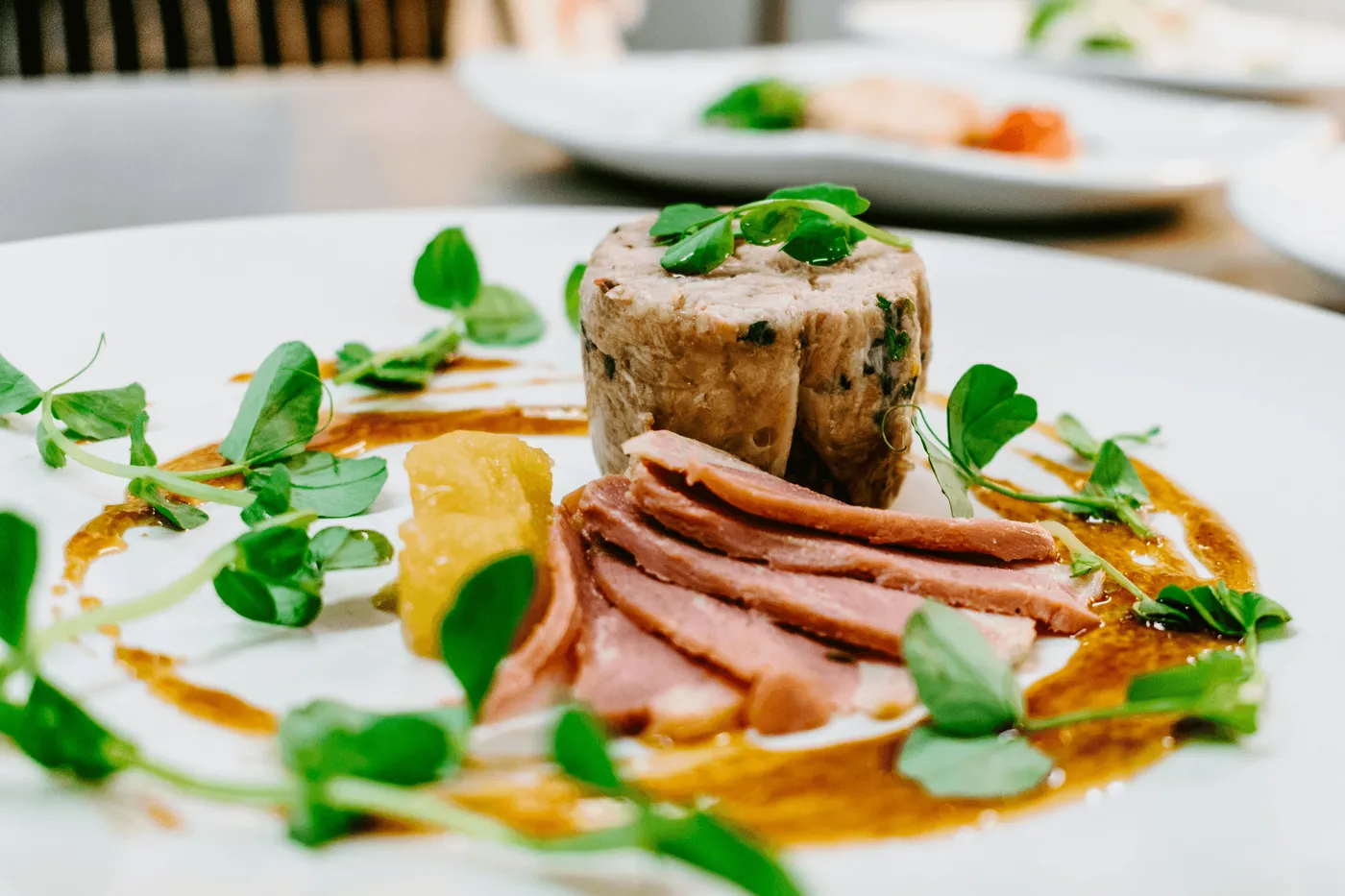
GLP-1 side effects cluster in the starting and dose-increase phases. How to tell what is manageable, what needs a doctor's review, and what cannot wait.
GLP-1 is a signal your own gut releases after eating. What it actually does, why weight drops so fast, and why it should be treated as a tool, not a belief.

『Our Story — From the Pharmacy Counter to Cross-Border R&D』We don't need more supplements. What's missing is a…